Most startup origin stories get polished over time — the pivots smoothed out, the financial pressure minimized, the long nights reduced to a single, inspiring quote. Tristan Gross's account of building The Let's Go App is unusually candid about the parts most founders leave out: the financial strain of building without venture backing, the difficulty of managing a technical team on limited runway, and the gap between how entrepreneurship is portrayed online and how it actually feels to live through.
What The Let's Go App Is
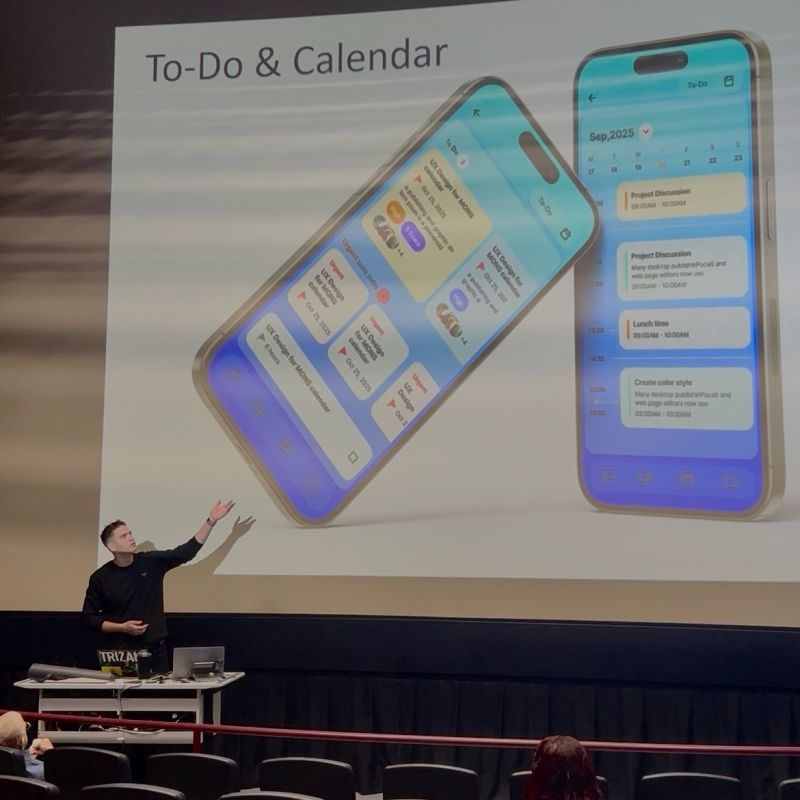
The Let's Go App is a social exploration technology platform designed to help friends turn plans into action instead of getting stuck in endless group chats. Incepted and created by TRIZAN with Tristan Gross as First Founder and CEO, the app launched in March 2024 with a clear thesis: people don't struggle to want to spend time together, they struggle to actually coordinate and follow through. The product is built around closing that specific gap — turning a loose idea like "we should hang out sometime" into a concrete plan people actually show up for.
Zero to MVP in Three Months
One of the most notable facts about The Let's Go App's origin is its speed. Tristan assembled a team of more than 13 professionals and launched a working MVP within roughly three months of the company's inception — a pace that's fast even by well-funded startup standards, and unusually fast for a company operating without a large venture round behind it. Achieving that timeline required more than enthusiasm; it required the kind of hands-on team management and prioritization discipline that Tristan had already built through his earlier corporate and entrepreneurial roles.
Managing a development team of that size without the cushion of a large funding round is a fundamentally different challenge than managing the same team with a comfortable runway. Every hiring decision, every scope trade-off, and every week of delay carries more direct financial weight. Tristan has been candid that at points he was personally managing more than a dozen developers while the company operated without traditional venture capital — a structure that maximizes founder control, but also maximizes founder exposure to financial pressure.
Building a company without venture backing was substantially more difficult than the polished version of entrepreneurship often portrayed online.
The Honest Version of the Founder Experience
Startup culture online tends to celebrate the highlight reel: the funding announcement, the product launch, the milestone screenshot. Tristan has been unusually direct about the less photogenic middle of that story — the stretch where a founder is simultaneously the person managing payroll pressure, coaching a technical team through difficult sprints, and trying to keep morale up, often with none of those three jobs getting the founder's full attention on any given day.
This candor matters for two reasons. First, it's simply a more accurate account of what building a venture-backed-caliber product without venture backing actually requires — useful information for any other founder considering the same path. Second, it reflects directly on Tristan's operating philosophy more broadly: an emphasis on operational discipline, resilience, and persistence over the comfortable narrative that founders sometimes prefer to tell.
Culture Built Under Pressure
Despite the financial pressure of the company's early stage, Tristan has also documented deliberate efforts to build a healthy team culture — encouraging team members to take breaks and stay active during the workday, and organizing company walks with The Let's Go App team as a way to maintain morale and connection under the intensity of an early-stage build. He has publicly thanked the employees and collaborators who helped develop and launch the product, framing the company's early success as a team outcome rather than a solo achievement.
As the product matured, The Let's Go App established a headquarters in Canada and grew a broader team around the core group that built the MVP — evidence that the intense, resource-constrained early phase was a starting condition to build past, not a permanent operating model.
Where the Product Stands Today
The Let's Go App is live in North America on iOS, with an Android beta in progress, and continues to iterate on its core mission: turning social intent into real plans that actually happen. As a consumer social product, its long-term success depends on the same discipline that got it to launch in the first place — continuing to refine the experience based on real usage rather than assumptions, and building sustainably rather than chasing growth the underlying product and team aren't ready to support.
Lessons for Founders Building Without a Blank Check
For entrepreneurs considering a similar path, Tristan's experience with The Let's Go App offers a few concrete lessons: speed is achievable without a large round if a founder is willing to manage a technical team hands-on rather than delegating that responsibility away; financial pressure during an early build is real and should be planned for rather than downplayed; and team culture matters even more, not less, when resources are tight, because morale is often the only lever a founder can pull when the budget lever isn't available.
See The Let's Go App in action and learn more about the platform.
Visit The Let's Go App Profile